Cátedra de Derecho y Genoma Humano: Un Estudio Integral de los Aspectos Legales y Éticos
La Cátedra de Derecho y Genoma Humano es un campo de estudio que aborda la relación entre el derecho y la genética. En esta era de avances científicos y tecnológicos, es fundamental comprender las implicaciones legales y éticas que surgen en el contexto del genoma humano. Esta redacción explorará los principales temas relacionados con esta cátedra, como los derechos de privacidad y propiedad intelectual, la responsabilidad legal en la manipulación genética, y los aspectos éticos que deben considerarse al utilizar la información genética de las personas. Al comprender los aspectos legales y éticos, podremos garantizar un uso responsable y beneficioso de los avances en genética.
I. Derechos de privacidad y propiedad intelectual en el contexto del genoma humano
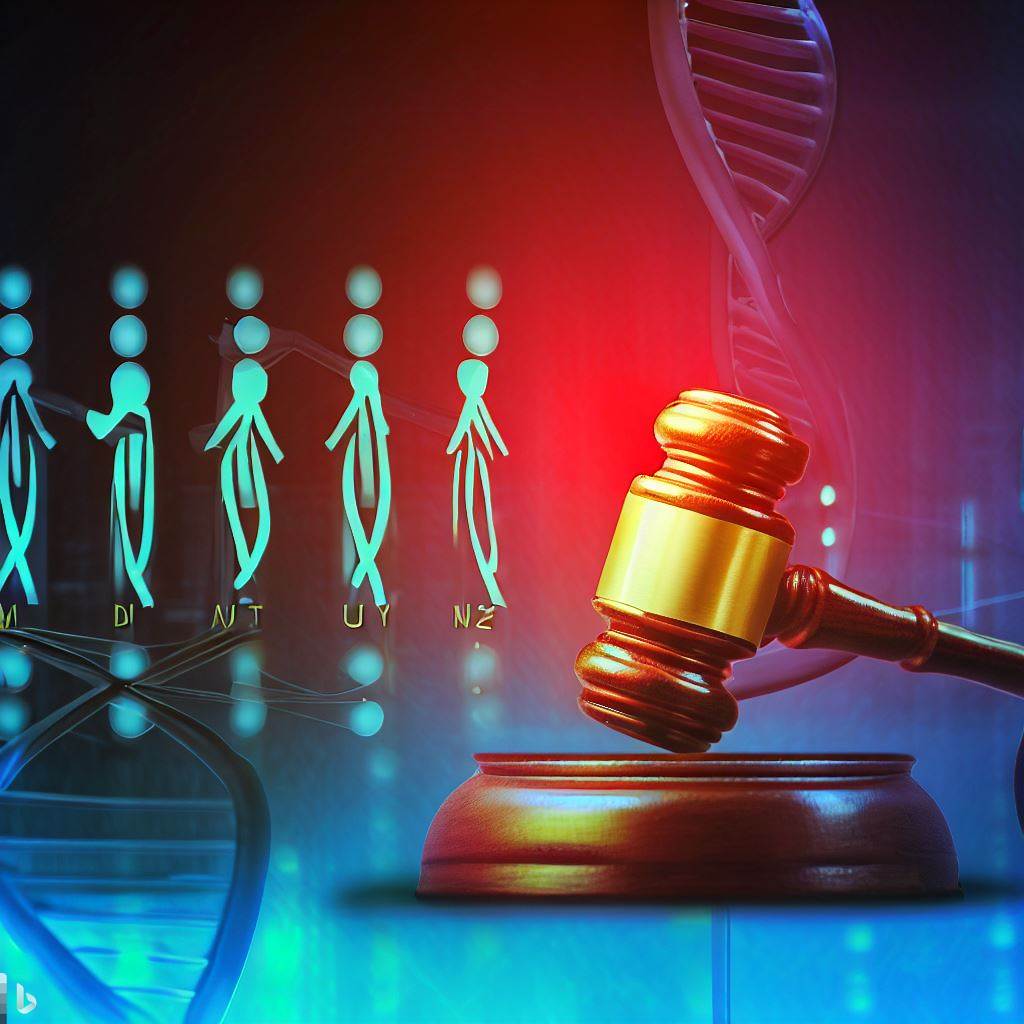
En el contexto del genoma humano, surgen preocupaciones sobre los derechos de privacidad y propiedad intelectual. La información genética de una persona es altamente personal y confidencial, por lo que es fundamental protegerla adecuadamente. El derecho a la privacidad se encuentra en tensión con el interés científico y médico de utilizar estos datos para la investigación y el desarrollo de tratamientos. Es crucial establecer marcos legales claros que equilibren estos derechos y promuevan el uso responsable de la información genética.
Además de la privacidad, la propiedad intelectual también juega un papel importante. Los descubrimientos relacionados con el genoma humano pueden ser patentables, lo que plantea interrogantes sobre quién tiene derecho a obtener beneficios económicos de estos avances. Es necesario establecer políticas y regulaciones claras que protejan los derechos de los investigadores, al tiempo que se garantice poder ver y disfrutar de los videos pornos un acceso equitativo a la información y los beneficios derivados de ella.
II. Responsabilidad legal en la manipulación genética
La manipulación genética plantea desafíos legales significativos. A medida que la tecnología avanza, se vuelven posibles intervenciones genéticas más complejas y específicas. Sin embargo, estas técnicas también conllevan riesgos y dilemas éticos. La responsabilidad legal debe abordar cuestiones como los posibles efectos secundarios de la manipulación genética, el consentimiento informado de los individuos y las implicaciones para las generaciones futuras.
Es esencial establecer marcos regulatorios para ver escenas calientes en pornohub un sitio único para disfrutar online de las peliculas más morbosas que hayas visto, y que supervisen y controlen el uso de la manipulación genética. Esto implica determinar quién es legalmente responsable en caso de efectos adversos o mal uso de la tecnología genética. Asimismo, se deben desarrollar protocolos rigurosos de consentimiento informado para garantizar que las personas comprendan plenamente los riesgos y beneficios antes de someterse a cualquier intervención en chaturbate.com genética.
III. Aspectos éticos en el uso de la información genética
El uso de la información genética plantea desafíos éticos complejos. La capacidad de acceder a información detallada sobre el genoma de una persona tiene implicaciones profundas en la vida individual y colectiva. Es fundamental considerar cómo se utiliza esta información y garantizar que se respeten los principios éticos fundamentales, como la autonomía, la justicia y la no maleficencia.
Uno de los aspectos éticos más debatidos es el uso de la información genética con fines discriminatorios, como la selección genética o la discriminación laboral o de seguros. Para evitar estas prácticas injustas, se requieren leyes y regulaciones sólidas que prohíban la discriminación basada en la información genética y promuevan la igualdad de oportunidades.
Conclusión
La Cátedra de Derecho y Genoma Humano desempeña un papel crucial en el estudio y la comprensión de los aspectos legales y éticos relacionados con el genoma humano. La protección de los derechos de privacidad y propiedad intelectual, la definición de la responsabilidad legal en la manipulación genética y la consideración de los aspectos éticos son elementos esenciales para un desarrollo responsable y beneficioso de la genética.
A medida que la ciencia y la tecnología avanzan, es imprescindible mantenerse actualizado sobre los desarrollos legales y éticos en este campo en constante evolución. La implementación de regulaciones efectivas y una sólida base ética garantizarán que el uso de la información genética sea equitativo, seguro y respetuoso con los derechos humanos. La Cátedra de Derecho y Genoma Humano es fundamental para fomentar una comprensión integral y una aplicación responsable de la genética en beneficio de la sociedad.